
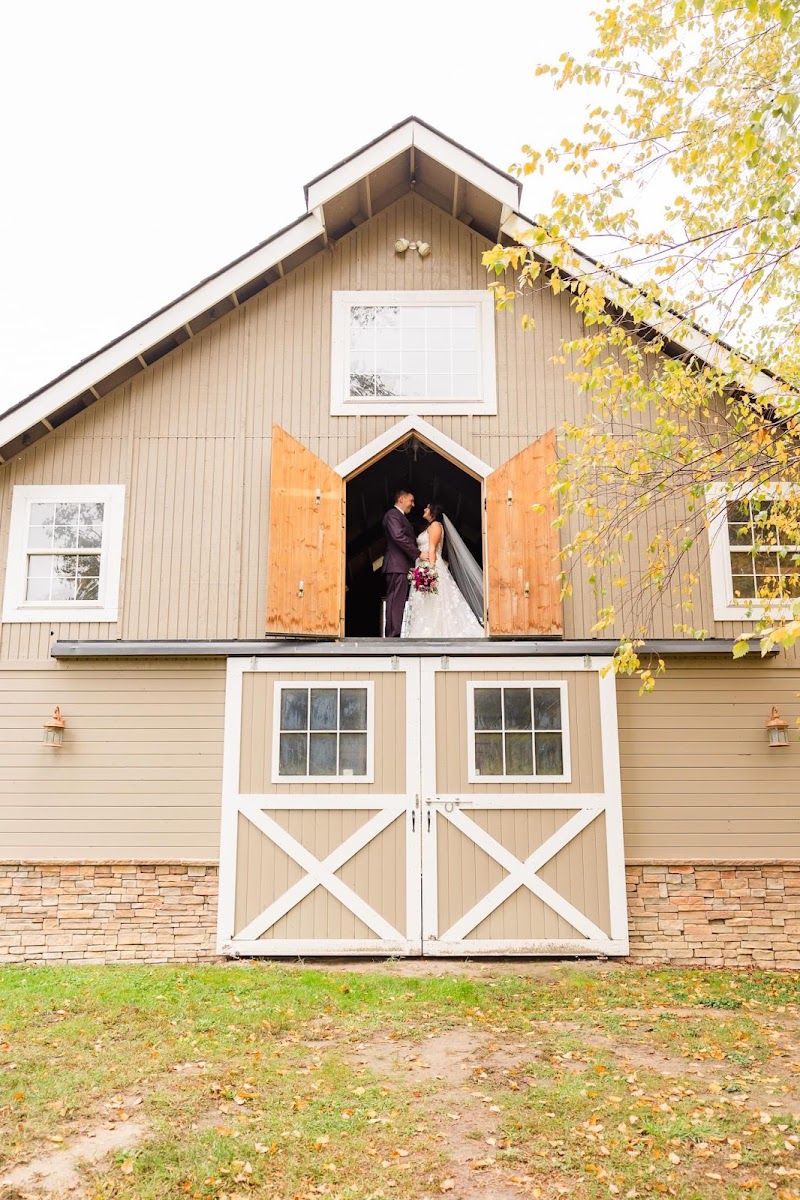
The route to Arbor Haven Weddings traces a particular kind of journey — one that starts on I-95, that great artery between Washington and Richmond, and gradually peels away from highway speed and highway thinking. You exit into Fredericksburg proper, pass through the historic downtown with its Civil War monuments and antique shops, and then wind further into farmland. The address — 7510 Arbor Haven Lane — sits down a private drive that opens suddenly onto 42 acres of rolling Virginia countryside. First you notice the quiet. No highway hum, no neighbor noise, just the expansive silence of open land under a wide sky. Then the mature trees, the kind that have been growing for decades, casting dappled shade across perfectly maintained grounds. And finally, the pond — still and reflective, with a white gazebo floating improbably at its center like something out of a Southern fairytale. This is not a venue that announces itself with grand architecture or dramatic vistas. It announces itself with space, with breath, with the kind of unhurried beauty that makes you slow down and actually look around. Poppy has received 9 wedding inquiries for Arbor Haven, and we understand why couples find themselves drawn here: it is a place that feels both polished and peaceful, elegant and entirely unpretentious.
About Arbor Haven Weddings
Arbor Haven Weddings is family-owned and operated, which becomes evident the moment you arrive. This is not a corporate event space with rotating staff and templated packages. This is a property that someone built by hand, tends personally, and opens to couples who want a wedding that feels intimate and intentional. The 42-acre farm sits just minutes from Central Park in Fredericksburg — a town that balances Civil War history with a thriving downtown arts scene and farm-to-table dining. The venue itself is anchored by two residences on the property, each housing preparation spaces for the wedding party, and a collection of carefully designed event areas that work together to create a full wedding day flow. The centerpiece is undeniably the floating gazebo on the pond, but the real genius of Arbor Haven is how it combines outdoor charm with practical, all-weather infrastructure. The 5,400-square-foot structure tent means you are never at the mercy of a surprise rainstorm, and the rustic barn provides a naturally photogenic space for cocktails without requiring couples to rent additional lounge furniture or décor.
The design ethos here is what we might call “elevated farm.” The gazebo is painted crisp white with solar-capped railings — not weathered barn wood, but clean and intentional. The structure tent sits on a cement pad with stained concrete floors, giving it the bones of a permanent ballroom while maintaining the flexibility of a tented space. The barn is rustic in the truest sense — authentic wood, genuine patina — but it is also impeccably maintained. This combination of rustic elements and refined finishes creates a versatile canvas. A couple can lean into the farm setting with wildflowers and mason jars, or they can bring in crystal chandeliers and velvet linens and create something entirely different. Arbor Haven does not force a single aesthetic; it supports whatever vision a couple brings.
Logistically, Arbor Haven sits roughly 50 miles south of Washington, D.C. — an hour’s drive from the capital, which makes it accessible for metro-area guests while feeling genuinely removed from the city. Fredericksburg itself is served by Amtrak and VRE commuter rail, and Reagan National Airport is about 55 miles north, making travel straightforward for out-of-town guests. The venue includes on-site parking for 150 vehicles, with flat, paved pathways between parking and event spaces, which is a detail that matters more than most couples realize until they are watching their grandmother navigate gravel in heels. For Poppy’s delivery and setup teams, the load-in is simple and well-organized. The venue works with outside vendors and does not restrict florists, which gives us the creative freedom to design without navigating unnecessary limitations. Arbor Haven’s staff is communicative and detail-oriented, which makes coordination seamless.
The venue’s catering policy allows outside caterers — past weddings have featured everyone from Old Blue BBQ to Elegant Cuisines — and the structure tent includes tables for food service, cake display, and gifts. Patty Cakes and Cookies provides in-house cake and cookie service for couples who prefer that option. Alcohol service is permitted, though specific policies should be confirmed with the venue. The property’s scale means couples can genuinely host a wedding weekend here, with rehearsal dinners and post-wedding brunches all on-site, using different areas of the property to keep each event feeling distinct.
Event Spaces & Floral Opportunities
Structure Tent
Capacity: 200 seated
Setting: This is the primary reception space at Arbor Haven — a 5,400-square-foot structure tent on a cement pad with a vaulted ceiling and stained concrete floor. The tent is all-weather, with large side walls that can be closed against wind or rain, but it reads more like a permanent pavilion than a temporary tent. The vaulted ceiling creates dramatic height — essential for making a tented space feel open rather than enclosed — and the neutral concrete floor provides a clean, modern base that works with any design direction. Padded fruitwood Chiavari chairs and five-foot round tables are included, which already establishes a warm, classic foundation. The tent’s size is generous enough for 200 guests without feeling cramped, and the side walls can be opened on clear evenings to blur the line between indoors and out.
Floral approach: The vaulted ceiling is your greatest asset here, and the floral design should take full advantage of that verticality. Suspended installations — a chandelier of smilax, Italian ruscus, and seeded eucalyptus with clusters of Quicksand roses, white lisianthus, and trailing jasmine vine — can transform the tent from simple to spectacular. We favor a single large installation over the head table or dance floor rather than multiple smaller ones, which can feel cluttered. For guest tables, the neutral concrete floor and warm fruitwood chairs allow for bold color choices. Consider either low, lush centerpieces in aged brass compotes (garden roses, ranunculus, spirea, and tulips in spring; dahlias, zinnias, and celosia in summer) or tall arrangements on clear glass risers that lift blooms above conversation height. The tent’s neutrality means this is a space where color truly sings — jewel tones (burgundy, plum, emerald) look stunning here, as do soft pastels (blush, peach, lavender). The side walls, if left open, provide glimpses of the surrounding landscape, so arrangements near the perimeter should feel cohesive with the natural setting outside. At the entrance to the tent, a pair of large urns overflowing with seasonal branches, hydrangea, and textured greenery signals the transition from cocktails to reception and anchors the space visually.
Floating Gazebo and Dock
Capacity: Ceremony seating for approximately 100+ guests
Setting: This is the signature feature of Arbor Haven and the reason many couples book the venue. A 280-square-foot white dock extends from the pond’s edge to a 140-square-foot floating gazebo that sits on the water itself. The gazebo features a bell-curve slatted roof, an overhead fan (a blessing during Virginia summers), white railings with solar-capped posts, and views in every direction of the pond and surrounding landscape. Behind the gazebo, a cascading fountain adds gentle movement and sound to the ceremony. The effect is both romantic and surreal — the couple appears to be standing on the water, framed by sky and trees, with the fountain providing a living backdrop. The dock itself becomes a natural aisle, and the white structure provides a clean, elegant framework that supports any color palette.
Floral approach: The white gazebo is a gift to floral designers because it provides structure without visual noise. For the ceremony itself, we recommend one of two approaches: either a full arch installed on the gazebo (asymmetric designs work beautifully here — imagine Juliet garden roses, white peonies, blush ranunculus, and trailing smilax cascading from one side), or a more minimal installation that decorates the gazebo’s existing railings and posts with garlands of greenery and blooms. The key is not to obstruct the water views or the fountain — guests are here for that scenery, and the florals should enhance, not compete. Along the dock, which serves as the aisle, consider arrangements in white pedestals or urns (positioned every 8 to 10 feet) filled with seasonal blooms that echo the ceremony arch. Alternatively, for a more organic look, clusters of wildflowers tied with silk ribbon to the dock railings create a garden-path feeling. One unique opportunity here is floating floral installations on the pond itself — small arrangements in shallow glass bowls or orbs, set to drift gently near the gazebo. This works best with blooms that can tolerate moisture (orchids, floating candles surrounded by rose petals) and should be coordinated carefully to avoid disrupting the fountain. The solar-capped railings and overhead fan can also be subtly decorated with trailing greenery or delicate floral accents, though this is optional — the structure is beautiful on its own.
Rustic Barn
Capacity: Flexible for cocktail hour and photography
Setting: The rustic barn at Arbor Haven is exactly what it sounds like — an authentic barn structure with natural wood walls, exposed beams, and the kind of weathered patina that cannot be faked. This space is used primarily for cocktail hour and as a backdrop for photography, which means it serves double duty: it needs to function as a comfortable gathering space while also looking effortlessly beautiful in photos. The barn’s charm is in its simplicity. There are no chandeliers or built-in bars, just honest materials and good bones.
Floral approach: In a space this inherently photogenic, the floral design should amplify the rustic aesthetic without trying to polish it away. This is the place for wildflower-inspired arrangements — black-eyed Susans, Queen Anne’s lace, sunflowers, and daisies in summer; asters, mums, and goldenrod in fall. Vessels should feel collected rather than matched: galvanized metal buckets, vintage glass bottles, ceramic crocks, and yes, mason jars if used thoughtfully (in clusters, not as a lone jar per table). For cocktail tables, low arrangements allow guests to set down drinks and continue conversations. The barn’s beams are ideal for hanging installations — think floral garlands or wreaths made from seeded eucalyptus, Italian ruscus, and seasonal blooms, suspended at varying heights to create visual interest. A large floral installation near the barn’s entrance (an oversized urn or wooden crate overflowing with blooms and greenery) serves as both a design anchor and a natural photo backdrop. String lights and lanterns adorned with greenery enhance the barn’s cozy atmosphere, especially as evening falls. The key here is to honor the barn’s rustic character — arrangements should feel loose, organic, and slightly undone, as if they were just gathered from a nearby meadow.
Bridal Suite
Capacity: Wedding party preparation space
Setting: The 1,000-square-foot bridal suite occupies the lower level of the main residence and is designed specifically for the getting-ready hours. It includes four hair and makeup stations, a dining table, a kitchenette with refrigerator, microwave, sink, and Keurig, and — the showpiece — an elegant spiral staircase that connects the lower level to the main floor. The spiral staircase is painted white and curves dramatically upward, providing one of the best photo opportunities on the property. The suite itself is bright, spacious, and thoughtfully appointed, with enough room for the entire bridal party to spread out without feeling cramped.
Floral approach: Florals in the bridal suite serve two purposes: they enhance the getting-ready experience and they provide beautiful elements for photography. The spiral staircase should be the focal point. A garland of smilax, seeded eucalyptus, and Italian ruscus, woven with blooms that echo the bridal bouquet (Juliet roses, white ranunculus, blush lisianthus), can be draped along the railing, creating a romantic frame for descending-the-stairs portraits. Keep the garland relatively light and airy so it does not overwhelm the staircase’s clean lines. On the dining table or vanity, a small arrangement (a low compote or bud vases) adds a touch of elegance to flat-lay photos of jewelry, invitations, and details. This is also an opportunity to gift the bride with something personal — a small bouquet in her favorite colors, a flower crown for pre-ceremony portraits, or a single perfect bloom (a peony, a garden rose) in a delicate vase. The hair and makeup stations can be adorned with single stems in bud vases or small sprigs of greenery tucked into mirrors, though this is optional. The goal is to create a beautiful environment without cluttering the functional workspace the bridal party needs.
Groom’s Quarters
Capacity: Wedding party preparation space
Setting: The 1,300-square-foot groom’s quarters occupy the lower level of a second residence on the property and are designed as a masculine counterpoint to the bridal suite. The space includes a bar with stools, arcade games, a pool table, multiple TVs, and recliner chairs — essentially a well-appointed man cave where the groom and groomsmen can relax before the ceremony. The atmosphere is casual and recreational, which is precisely the point.
Floral approach: Floral design in the groom’s quarters should be understated and masculine. This is not the place for garden roses and pastel ribbons. Instead, consider a single arrangement on the bar — a low vessel (ceramic, concrete, or dark wood) filled with greenery, succulents, and perhaps a few white or green blooms (white tulips, green trick dianthus, eucalyptus pods). The arrangement should look substantial and architectural rather than delicate and romantic. If the groom has a favorite flower or color, a small vase on the pool table or bar can add a personal touch. Alternatively, skip florals entirely and focus on greenery alone — a simple eucalyptus garland along the bar or a succulent terrarium on a side table. The key is restraint. The groom’s quarters should feel comfortable and functional, and the florals should enhance that rather than contradicting it.
Wedding Flower Ideas for Arbor Haven Weddings
Meadow & Water
This concept is rooted in the natural landscape surrounding Arbor Haven — the open meadows, the still pond, the wide sky. The palette is soft and organic: ivory, blush, soft peach, and butter yellow, grounded by abundant greenery. We use meadow flowers and blooms that feel unstructured and just-picked: garden roses (Patience, Juliet, Keira), peach ranunculus, white sweet peas, café au lait dahlias (in season), Queen Anne’s lace, and spirea. Foliage includes Italian ruscus, seeded eucalyptus, and feathery asparagus fern. Arrangements are loose and slightly wild, as if gathered from the fields surrounding the venue. Vessels are understated — cream ceramic, natural wood, glass cylinders. On the floating gazebo, an asymmetric ceremony arch overflows with ivory and blush blooms, trailing greenery, and touches of peach. Guest table centerpieces in the structure tent are low and lush, allowing the natural beauty of the blooms to take center stage. This palette works beautifully in spring and summer and complements Arbor Haven’s natural setting without trying to compete with it.
Sunset at the Pond
This design leans into the golden-hour magic that happens at Arbor Haven, especially during summer and fall weddings when the setting sun casts warm amber light across the water. The palette is rich and warm: burnt orange, coral, deep peach, burgundy, and gold, balanced by soft greenery. Flowers include peach and coral garden roses (Vuvuzela, Free Spirit), orange ranunculus, burgundy dahlias (Karma Choc, Black Satin), amber celosia, marigolds, and burgundy scabiosa. Foliage includes olive branches, eucalyptus, and bronze-toned fall leaves (in season). Arrangements are abundant and textural, with a slightly wild, overgrown quality. Vessels are warm-toned — brass compotes, amber glass, terracotta pots. On the floating gazebo, a full ceremony arch in these warm tones creates a stunning backdrop against the water and sky. In the structure tent, tall arrangements on brass stands alternate with low, lush compotes to create visual variety and drama. This palette is especially striking for September and October weddings when the natural landscape begins to turn and the light has that particular autumn quality.
Garden Estate
This concept brings a more refined, classic elegance to Arbor Haven’s rustic setting. The palette is soft and romantic: blush, ivory, champagne, soft lavender, and dove gray, with abundant white and green. Flowers include white and blush roses (Quicksand, Sahara, White O’Hara), white peonies (in season), blush ranunculus, white lisianthus, lavender stock, white hydrangea, and white tulips (in season). Foliage includes smilax, seeded eucalyptus, and silver-dollar eucalyptus. Arrangements are lush and structured with a garden-grown quality, but more polished than the Meadow & Water concept. Vessels are elegant — mercury glass compotes, silver julep cups, white ceramic urns. On the floating gazebo, a full, romantic arch in blush and ivory creates a soft, dreamy focal point. In the structure tent, a suspended chandelier of greenery and white blooms over the head table adds drama, while guest tables feature low, lush centerpieces in mercury glass that catch and reflect candlelight. This palette works beautifully year-round and is particularly stunning for spring weddings when peonies and tulips are in peak season.
Seasonal Considerations
Spring (March-May): Spring in Fredericksburg is a study in contrasts. March can still be chilly and unpredictable, with the possibility of frost lingering into early April, but by late April and throughout May, the Virginia countryside is in full bloom. This is peak season for tulips (French, parrot, and fringed varieties), daffodils, ranunculus, anemones, and the much-coveted peony (available reliably from late April through mid-June). Spring at Arbor Haven means the mature trees on the property are leafing out in bright green, the pond reflects clear blue skies, and the 42 acres are coming alive after winter dormancy. Logistically, spring weather can be variable — warm sunny days followed by sudden rain showers — so the all-weather structure tent is a valuable asset. For floral design, spring is the season to lean into pastels and fresh, light palettes. Garden-style arrangements with tulips, peonies, and flowering branches (dogwood, cherry, quince) feel perfectly suited to the season. Best months for weddings: late April and May when weather is most reliable and peony season is at its peak.
Summer (June-August): Summer in Virginia means warmth, humidity, and long, golden evenings. Temperatures regularly climb into the 80s and 90s, and afternoon thunderstorms are common, though they typically pass quickly. The landscape at Arbor Haven is lush and green, the pond is still and reflective, and ceremonies on the floating gazebo benefit from the overhead fan and the cooling effect of being surrounded by water. Summer is the season of abundance for locally grown flowers: zinnias, dahlias, sunflowers, celosia, lisianthus, and an array of wildflowers. These blooms are not only beautiful but also more heat-tolerant than delicate spring flowers like peonies or sweet peas. Logistically, summer weddings require careful hydration planning for florals — arrangements should be designed to withstand heat, and setup should happen as late as safely possible to minimize time in direct sun. The structure tent’s all-weather design means guests can enjoy an outdoor ceremony followed by a cool, shaded reception. For floral design, summer is the time for bold, saturated colors and textural blooms. Best months for weddings: June (before peak heat) and September (technically early fall, but still summery in Virginia).
Fall (September-November): Fall is the most popular wedding season in Virginia, and for good reason. September offers late-summer warmth without the humidity, while October and November bring crisp air, brilliant foliage, and that particular slant of autumn light that photographers dream about. The mature trees at Arbor Haven turn shades of amber, rust, and crimson, creating a natural color palette that requires little additional decoration. This is peak season for dahlias (café au lait, burgundy, coral), garden roses, marigolds, celosia, asters, and mums. Fall also allows for the incorporation of seasonal elements like pumpkins, gourds, and autumn leaves into floral installations. Logistically, fall weather in Fredericksburg is generally mild and stable, though November can bring the first frost. The structure tent remains a wise choice for unpredictable evenings. For floral design, fall is the time to embrace warm, rich tones — burnt orange, burgundy, gold, deep plum — and to use textural elements like seed pods, berries, and branches. Best months for weddings: October (peak foliage) and late September.
Winter (December-February): Winter weddings at Arbor Haven offer a completely different aesthetic — quieter, more intimate, with a focus on warmth and candlelight. Temperatures range from the 30s to 50s, and while snow is possible, it is not guaranteed (Fredericksburg averages only a few inches per year). The landscape is dormant, the trees are bare, but the pond remains beautiful, and the structure tent — with heaters and lighting — creates a cozy, romantic environment. Winter is the season for evergreen elements (pine, fir, cedar, holly), berries (hypericum, ilex, holly), and blooms that feel lush and romantic: garden roses, ranunculus, anemones, amaryllis, and hellebores. Color palettes can go in two directions: traditional winter whites, creams, and greens with silver and gold accents, or jewel tones (burgundy, emerald, deep plum) for a richer, moodier feel. Logistically, winter weddings require planning for guest comfort (heaters, blankets, warm cocktails) and contingency plans for icy conditions. For floral design, winter is the time to layer in candlelight, incorporate evergreen garlands, and create arrangements that feel abundant and warm despite the season. Best months for weddings: December (holiday ambiance) and late February (earliest signs of spring).
Poppy’s Expert Take
The floating gazebo photographs best from the shore. While the gazebo itself is the ceremony focal point, your photographer will capture the most dramatic images from the pond’s edge, shooting across the water to include the couple, the gazebo, the fountain, and the landscape beyond. This means floral design on the gazebo should be beautiful from every angle, not just from the couple’s perspective. An asymmetric arch works particularly well because it creates visual interest from multiple viewpoints. Also consider the ceremony’s timing — late afternoon light on the water is magical for photography.
Use the structure tent’s height strategically. The vaulted ceiling in the structure tent is a significant asset, but only if you use it. A single large suspended installation (chandelier, garland, or both) makes a much stronger impact than scattered décor. We typically recommend installing a dramatic piece over the head table or the dance floor where it becomes a focal point for the room. Work with an experienced florist who has rigging equipment and understands how to install safely on tent structures. The cost of a suspended installation is higher than table arrangements, but the impact per dollar is unmatched.
Embrace the barn’s authenticity. Couples sometimes worry that the rustic barn is “too plain” and overcompensate with excessive décor. Resist this urge. The barn is beautiful because it is authentic, and the best floral design amplifies that authenticity rather than fighting it. Simple arrangements, natural materials, and a focus on texture over perfection will always look better here than fussy, formal florals. Think: sunflowers in galvanized buckets, not roses in crystal vases.
Plan for the transition from gazebo to tent. One logistical detail couples often overlook: after the ceremony on the floating gazebo, guests need to transition to cocktail hour (typically in the barn) and then to reception in the structure tent. This is a good time to consider floral repurposing. Ceremony arrangements (especially large urns or pedestals along the dock) can be moved to the tent entrance or placed flanking the head table. Discuss this with your florist during planning so it is built into the setup timeline and budget. It maximizes your floral investment and ensures no space feels bare.
Budget for the spaces that matter most. If you are working with a limited floral budget, prioritize the ceremony (gazebo and dock) and the structure tent (guest tables and one major installation). The barn is naturally beautiful and requires minimal enhancement — a few well-placed arrangements and hanging greenery are sufficient. The bridal and groom’s suites are lovely but not seen by most guests, so these can be treated as “nice to have” rather than essential. Focus your budget where your guests will spend the most time and where photography will happen.
Work with the natural palette. Arbor Haven’s setting — pond, meadows, mature trees — provides a natural color palette that shifts with the seasons. Floral designs that complement this existing palette will always feel more cohesive than designs that ignore it. In spring, lean into fresh greens and pastels. In summer, embrace warm, saturated tones. In fall, use the natural foliage as inspiration for burnt orange, burgundy, and gold. In winter, bring in evergreens and rich jewel tones. Fighting the seasonal landscape rarely works in your favor.
Coordinate with your photographer on the spiral staircase. The spiral staircase in the bridal suite is one of the best photo opportunities on the property, and if you are decorating it with a floral garland, timing matters. The garland should be installed early enough for getting-ready photos but designed to withstand several hours (including the time the bridal party is outside for the ceremony). Use hearty greens like smilax and eucalyptus as the base, and tuck blooms in strategically rather than wiring them throughout the entire length. This keeps the garland looking fresh longer and allows your florist to do a quick refresh before portraits if needed.
What Poppy Couples Spend on Flowers Here
$2,500 - $4,000 | The Essentials
This budget covers personal flowers for the wedding party (bridal bouquet, bridesmaid bouquets, boutonnieres, corsages), a ceremony installation on the floating gazebo (either a full arch or substantial garland and railing décor along the gazebo’s structure), aisle arrangements along the dock (4-6 pedestals or urns), and simple centerpieces for guest tables in the structure tent. At this level, we typically recommend focusing the majority of the budget on the ceremony — the gazebo is what guests will remember, and it photographs beautifully, so it deserves thoughtful floral design. Centerpieces can be kept low and lush using seasonal blooms in simple vessels (ceramic compotes, glass cylinders), allowing for 15-20 guest table arrangements. A pair of large urns at the tent entrance rounds out the design. This budget works best for couples who want beautiful, intentional florals in the most important spaces without covering every surface.
$4,000 - $6,500 | The Full Picture
This mid-range budget allows for more comprehensive coverage and elevated design throughout the property. In addition to everything in the Essentials tier, this budget adds more substantial ceremony florals (a full, abundant arch on the gazebo plus 8-10 aisle arrangements along the dock, creating a true floral processional), cocktail hour florals in the rustic barn (arrangements on cocktail tables, a large installation near the entrance for photo backdrop, and hanging elements or garlands on the barn’s beams), and upgraded reception centerpieces in the structure tent. At this level, you can incorporate a mix of tall and low centerpieces for visual variety, add a suspended installation or greenery chandelier over the head table or dance floor, and include florals for the cake table, bar, and guest book area. You can also add a garland for the bridal suite spiral staircase and a more substantial arrangement for the suite itself. This budget creates a cohesive floral story from the first moment guests arrive through the final dance.
$6,500+ | The Full Experience
This premium budget transforms Arbor Haven with florals throughout the entire property, creating a lush, immersive experience for guests. The floating gazebo receives a dramatic, oversized ceremony arch that becomes the visual centerpiece of the day, with abundant aisle arrangements along the entire length of the dock (10-12 large urns or pedestals). The rustic barn is fully styled with arrangements on every cocktail table, large installations flanking the entrance, hanging garlands and floral chandeliers on the beams, and a dedicated floral photo backdrop. In the structure tent, every guest table receives a thoughtfully designed centerpiece (alternating tall and low for visual interest), and we add multiple suspended installations or a large-scale greenery chandelier that runs the length of the space. Additional touches include statement arrangements for the bar, cake table, gift table, and tent entrance, plus a lush garland for the bridal suite spiral staircase and arrangements for both the bridal suite and groom’s quarters. At this level, we also incorporate special elements like floating floral installations on the pond, premium blooms (peonies, garden roses, specialty dahlias), and labor-intensive installations (garlands, arches, suspended chandeliers) that require additional design time and setup crew. This budget is for couples who view flowers as central to their wedding design and want to create