
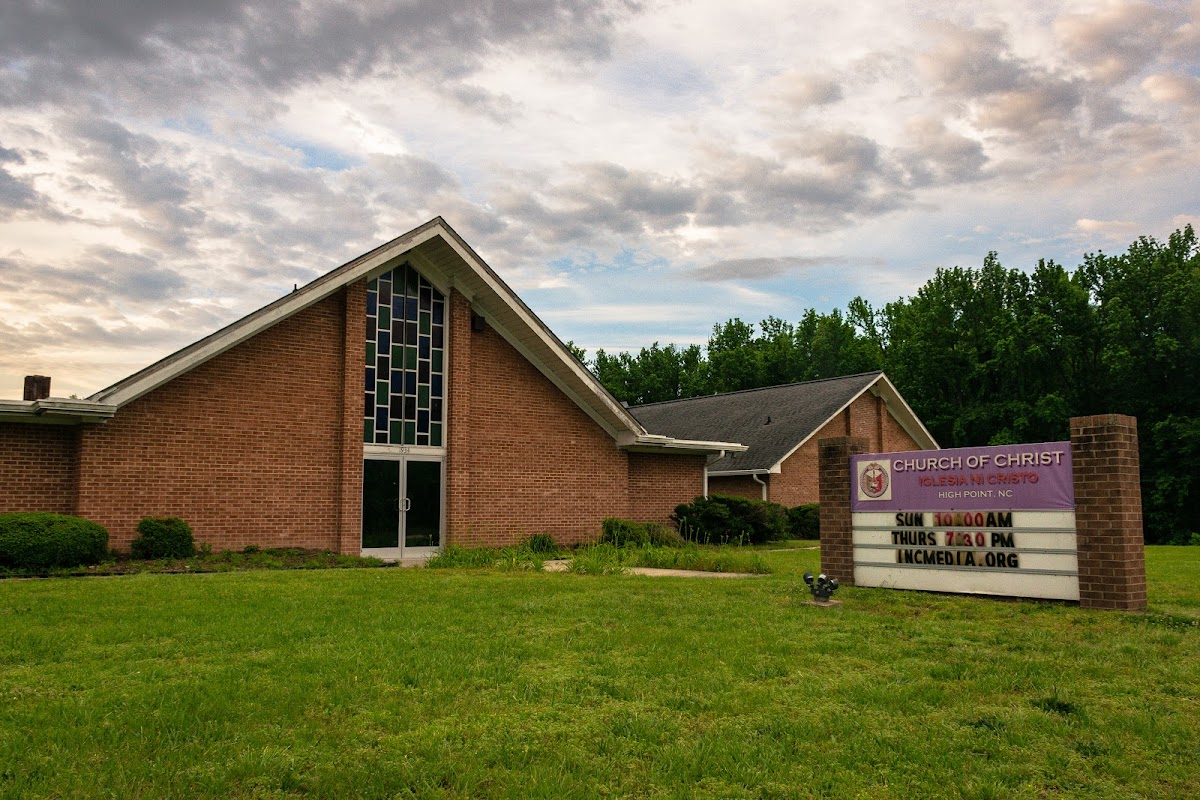
The architectural duality of this High Point landmark offers a rare canvas where industrial grit meets refined modernism. Designing here requires an understanding of scale; the soaring ceilings and exposed brick demand florals that can hold their own against the weight of history. Whether utilizing the expansive Commons or the more intimate Loft, the goal is to bridge the gap between the building’s manufacturing past and its sophisticated present.
The Spaces
The Commons
This is the heart of the campus, characterized by its sheer volume and light. The polished concrete floors and white-painted ceilings create a bright, airy environment that can feel cold without intentional floral intervention. The black ductwork is a gift to floral designers, providing structural points for installations that draw the eye upward.
- What works: Large-scale hanging installations or “floral clouds” over the dance floor. Ground-level “meadows” used to define the ceremony aisle or frame the sweetheart table.
- Skip: Small, spindly centerpieces that will get lost in the 20-foot ceilings.
- Watch out: You will need a ladder or lift for rigging; ensure your design team is prepared for the height.
- Budget hero move: Focus your entire reception budget on one massive hanging installation over the bars or dance floor, then use simple, architectural greenery for the guest tables.
The Spinning Room & Engine Room
These spaces lean more heavily into the mill’s history. With a capacity of 150, they feel more enclosed and intimate than The Commons. The textures here are rich—brick, wood, and metal—which means your floral palette can be more adventurous.
- What works: Long, continuous floral runners for banquet tables. These rooms look exceptional with warm, moody lighting and deep-toned blooms (think burgundies, ochres, and forest greens).
- Skip: Tall, traditional trumpet vases, which can feel too formal for the “working” vibe of a former spinning room.
- Watch out: The lighting is primarily artificial here; choose flower colors that don’t “die” or turn muddy under warm indoor bulbs.
- Budget hero move: Use heavy candlelight and bud vases to create a high-impact, low-cost tabletop experience that plays off the brickwork.
The Loft
Located on the 4th floor, The Loft is all about the views. It is a cleaner, more modern iteration of the industrial theme. Because the windows provide so much visual interest, the florals should act as a frame rather than a focal point.
- What works: Minimalist, sculptural arrangements. Single-variety groupings (like all calla lilies or all tulips) in modern glass or ceramic vessels.
- Skip: Oversized backdrops that block the natural light or the city views.
- Watch out: Load-in involves elevators; factor in extra time for transport to the 4th floor.
- Budget hero move: A pair of large, asymmetrical floor pillars for the ceremony that can be easily moved to the reception entrance.
The Courtyard
The outdoor courtyard is a transition space that feels quintessentially North Carolina. It’s perfect for a casual cocktail hour or a breezy ceremony.
- What works: Potted trees or large floor-based arrangements that look like they are growing out of the pavement.
- Skip: Delicate, thin-stemmed flowers if it’s a windy day; the courtyard can act as a wind tunnel.
- Watch out: The sun can be intense; ensure your floral foam is well-hydrated or choose hardy varieties like protea, roses, and tropicals.
- Budget hero move: A simple greenery garland draped over existing architectural features or doorways.
What Works at Iglesia ni Cristo Local of High Point
Embrace the Industrial Scale. In a space this large, quantity often trumps intricacy. Ten large, impactful arrangements will do more for the room than thirty small ones. Think in terms of “moments”—a massive bar piece, a grand entrance, and a focal ceremony spot.
Contrast Textures. The venue is full of hard surfaces—brick, concrete, and steel. To make the space feel like a wedding, you must introduce softness. Use “floppy” greenery like eucalyptus or smilax, and blooms with high petal counts like garden roses, peonies, or ranunculus to break up the straight lines of the architecture.
Use a Sophisticated Palette. While bright colors can work, a sophisticated, monochromatic or tonal palette often feels more “at home” in a renovated mill. Think of whites and creams with heavy sage greenery, or a “sunset” palette of terracotta, mauve, and dusty rose.
Highlight the Verticality. Most venues have standard 10-foot ceilings; this venue does not. Use tall branches (cherry blossom, forsythia, or quince) in floor vases to bridge the gap between the floor and the ceiling ductwork. This makes the space feel inhabited rather than just occupied.
Repurpose Strategically. Because the campus has multiple rooms, moving flowers from the ceremony to the reception is a must. Ground meadows from a Commons ceremony can easily be moved to the front of the stage in the Spinning Room or used to line the bar in The Factory.
Budget Guide
| Tier | Investment | Floral Impact |
|---|---|---|
| Essentials | $1,750 - $3,500 | Focuses on high-quality personal flowers (bouquets/boutonnieres) and a significant ceremony focal point. Table decor is kept to simple bud vases or greenery. |
| Sweet Spot | $3,500 - $6,500 | Includes everything in Essentials plus full centerpieces for up to 15 tables. Allows for more premium blooms and a more lush ceremony backdrop. |
| Full Experience | $6,500 - $10,000 | Adds a signature installation, such as a hanging floral piece in The Commons or a large-scale floral entry to The Factory. Centerpieces become more elaborate. |
| Statement | $10,000+ | A full-scale transformation. Multiple hanging installations, floor-to-ceiling floral pillars, and premium blooms throughout every event space. |
The character of this venue is rooted in its history as a place of production; your floral design should feel equally intentional and well-crafted.
Tips
Rigging is your best friend. Always ask management about the weight limits for the black pipes in The Commons; they are perfect for suspending greenery.
Don’t fight the brick. If your room has red brick, avoid clashing reds or oranges unless you are going for a very specific autumnal look; instead, use whites, blues, or deep greens to make the brick pop.
Think about the floor. With polished concrete, the floor is a mirror; floor-based arrangements will literally double in visual impact because of the reflection.
Plan for the flip. If you are using The Commons for both ceremony and reception, ensure your floral designs are mobile or can be “added to” quickly during the cocktail hour.
Lighting matters. Industrial spaces can get dark quickly; ask your florist to incorporate LED votives or ensure your centerpieces are designed to be seen in dim, romantic light.