
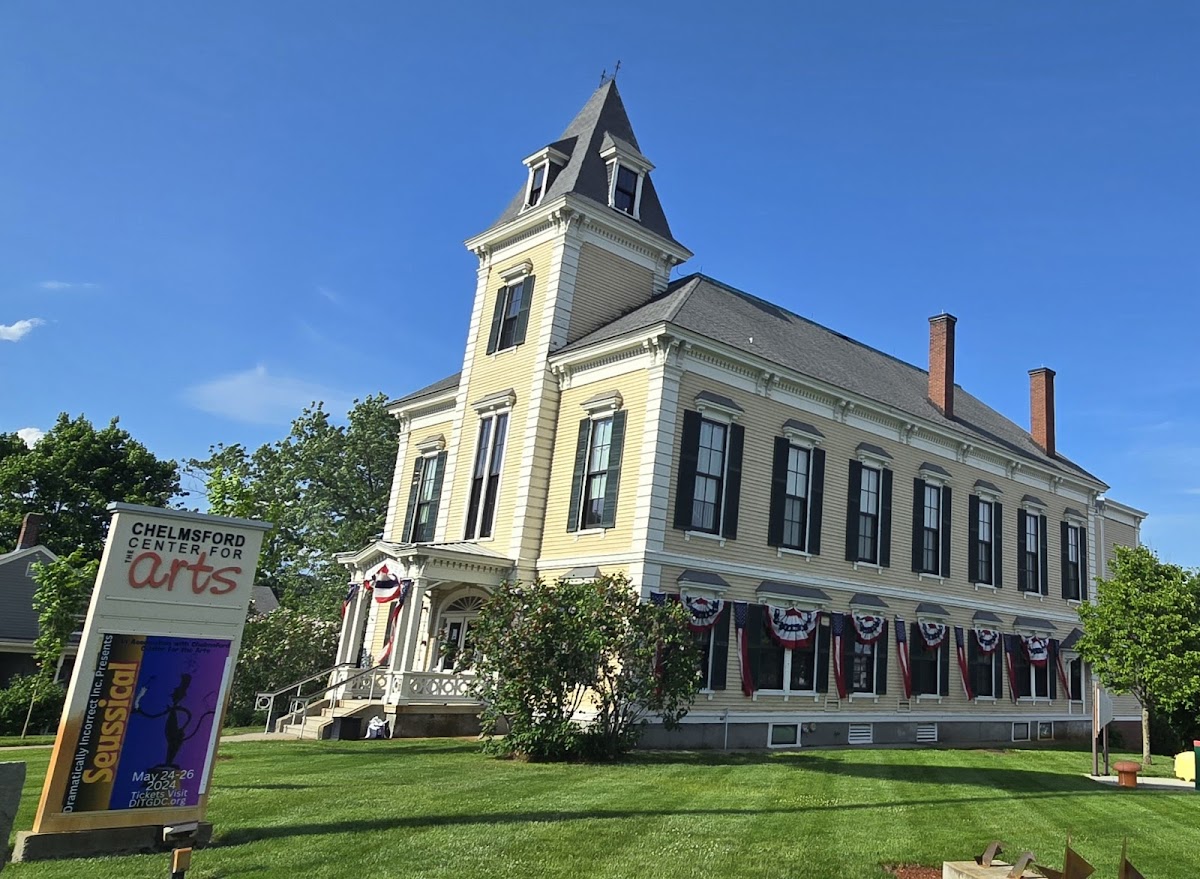
Chelmsford Center for the Arts is an architectural study in contrasts, offering the grand drama of a 19th-century performance hall alongside the clean, modern lines of a curated art gallery. For a floral designer, this venue presents a unique opportunity to bridge the gap between historic Victorian formality and contemporary artistic expression. Success here depends on understanding how to fill the vertical volume of the auditorium without cluttering the intimate, art-filled rooms of the lower levels.
The Spaces
Veterans Memorial Auditorium
This is the venue’s crown jewel, a historic hall that functions as a professional theater. The space is defined by its high ceilings, stage lighting, and a dark backdrop that can swallow small details. It is a space built for performance, and your floral design should reflect that theatricality.
- What works: Large-scale ground-level installations that “grow” up from the stage floor. These should be substantial enough to be seen from the back row of the auditorium. Because the stage has rigging points, this is one of the few local venues where a floating floral installation or a suspended “cloud” is both feasible and highly recommended.
- Skip: Small, delicate bud vases or low-profile arrangements on the stage. They will disappear against the dark curtains and the sheer scale of the room.
- Watch out: Stage lighting can be harsh and significantly shifts how colors appear. Warm tungsten lights will make purples look muddy and yellows look neon; stick to high-saturation tones or crisp whites to ensure the flowers pop.
- Budget hero move: Focus your entire ceremony budget on two massive “nest” arrangements at the front of the stage. These create a frame for the couple and can be easily moved to the reception to flank the sweetheart table or the band.
Main Exhibition Hall
The gallery space is the antithesis of the auditorium. It is bright, airy, and filled with rotating works by local artists. The walls feature traditional wainscoting and picture rails, providing a sophisticated, neutral backdrop for cocktail hours or intimate receptions.
- What works: Petite, curated arrangements that feel like an extension of the art. Think architectural stems like calla lilies, ranunculus, or ikebana-inspired designs that respect the “white cube” aesthetic of the gallery.
- Skip: Tall, sprawling centerpieces that block the view of the artwork. The art is a primary feature of the room; your flowers should complement it, not compete for wall space.
- Watch out: Since this is a working gallery, there are often strict rules about water and proximity to the art. Ensure all vessels are leak-proof and weighted to prevent tipping.
- Budget hero move: Use the existing picture rails to hang small, lightweight floral “charms” or greenery accents if the venue permits, adding a custom feel without the cost of a full installation.
The Grand Double Staircase
The transition between levels is marked by a classic Victorian double staircase. This is a high-traffic area and a primary photo location, making it a strategic spot for floral investment.
- What works: Asymmetrical greenery crawls that follow the line of the banister. Mixing textures like smilax, jasmine vine, and seeded eucalyptus creates a lush, organic look that softens the heavy wood of the staircase.
- Skip: Symmetrical “pom-poms” of flowers tied to every other baluster. It feels dated and interrupts the architectural flow.
- Watch out: Ensure the handrails remain functional for guests, especially considering the venue’s focus on accessibility and the presence of the Hearing Loop system for older guests.
What Works at Chelmsford Center for the Arts
High-Contrast Palettes. The auditorium’s dark stage and the gallery’s white walls both benefit from bold color choices. Deep burgundies, vibrant corals, or crisp whites with dark greenery will maintain their integrity under artificial stage lights and in high-ceilinged spaces.
Ground-Level Foundations. Whether on the stage or in the gallery, “floor-up” designs feel more modern and integrated into the architecture than flowers placed on pedestals. Use heavy, low containers to create the illusion of flowers growing directly from the historic floorboards.
Victorian-Modern Fusion. The building’s 1879 origins suggest a certain level of traditionalism, but the “Arts Center” identity allows for creative risks. Mix classic New England blooms like peonies and hydrangeas with unexpected tropicals or dried elements to honor both the history and the mission of the venue.
Textural Greenery. The wood tones and brickwork of the CCA provide a warm, earthy base. Use varied foliage—from delicate ferns to glossy camellia leaves—to create depth without relying solely on expensive focal flowers.
Movement-Oriented Design. Because this is a space for performing arts, flowers that have a sense of movement (like dancing cosmos, trailing vines, or arching branches) feel particularly at home here. Avoid stiff, round arrangements that feel static.
Budget Guide
| Tier | Investment | What it Covers |
|---|---|---|
| Essentials | $1,750 - $2,500 | Personal flowers (bouquets/boutonnieres) plus a pair of impactful stage arrangements or a focused staircase installation. |
| Sweet Spot | $3,000 - $5,000 | Full personal flowers, a dramatic stage-to-floor ceremony installation, and curated centerpieces for the Main Exhibition Hall. |
| Full Experience | $5,500 - $8,000 | Adds a lush staircase greenery crawl, cocktail hour accents, and more complex, layered reception designs. |
| Statement | $8,500+ | Includes a custom suspended installation on the stage rigging, a full exterior entrance transformation, and premium floral varieties throughout. |
The Chelmsford Center for the Arts is a venue for those who value community, history, and the creative process; your flowers should feel like an intentional part of that artistic narrative.
Tips
Stage lighting is your best friend or worst enemy. Ask the venue coordinator for a lighting “wash” during setup so you can see how your flower colors react to the theater lamps before the guests arrive.
Repurpose with intention. The large arrangements used on the stage for the ceremony should be moved to the gallery for the reception, but they need a clear “landing spot” that doesn’t obstruct guest movement in the narrower hall.
Respect the art. The exhibitions change frequently. Check with the venue a month before your date to see what style of art will be on the walls, as a neon-colored modern art show might clash with a soft pastel floral palette.
Leverage the exterior. The brick Victorian facade is a stunning backdrop for photos; a simple but lush installation on the front steps can provide a cohesive “welcome” moment that sets the tone before guests even enter.
Think about the “Hearing Loop.” While this is a technical feature for accessibility, it means the auditorium is a space where guests are meant to linger and listen; ensure your stage flowers are positioned so they don’t block the view of the couple’s faces from any angle.